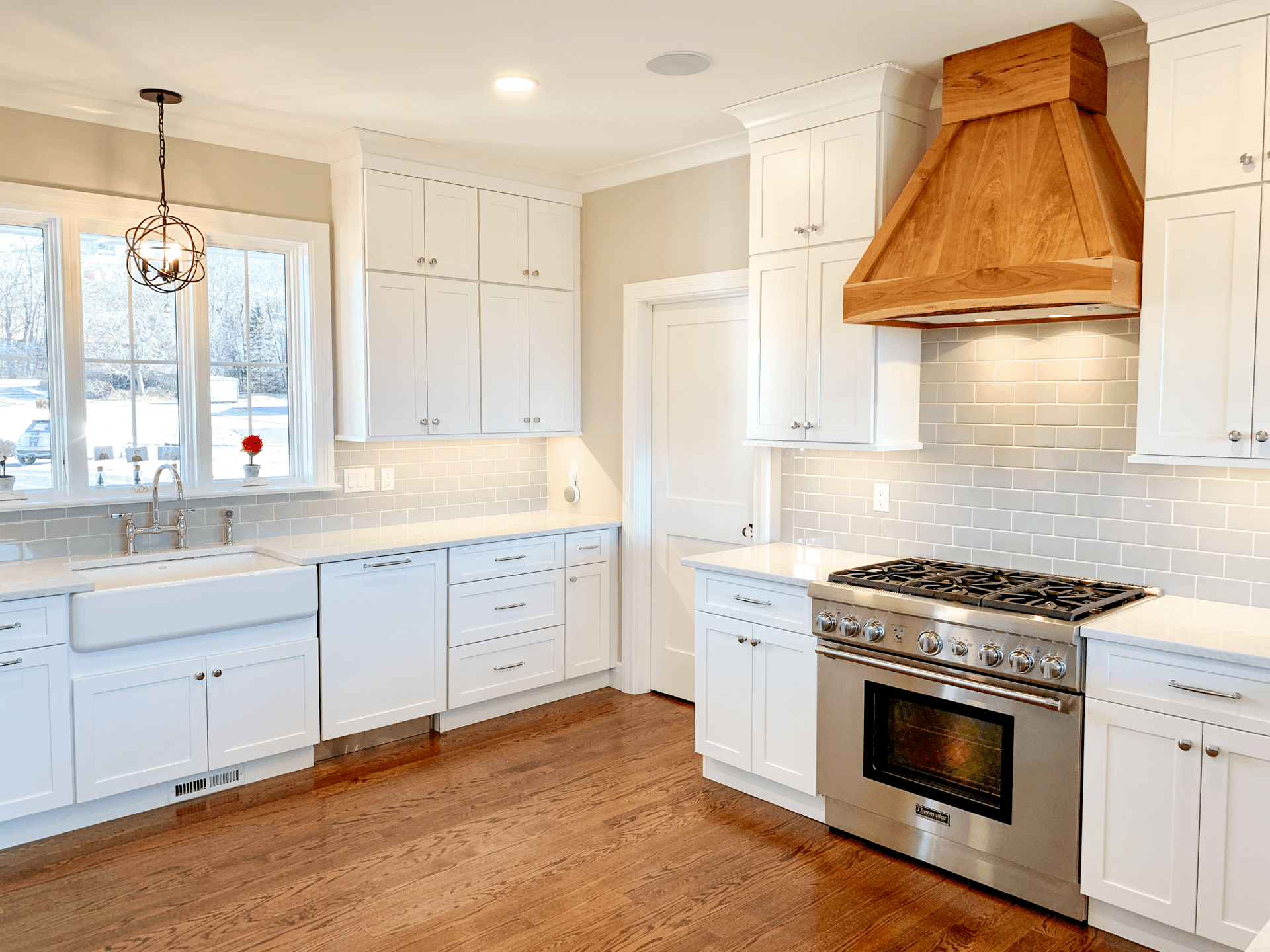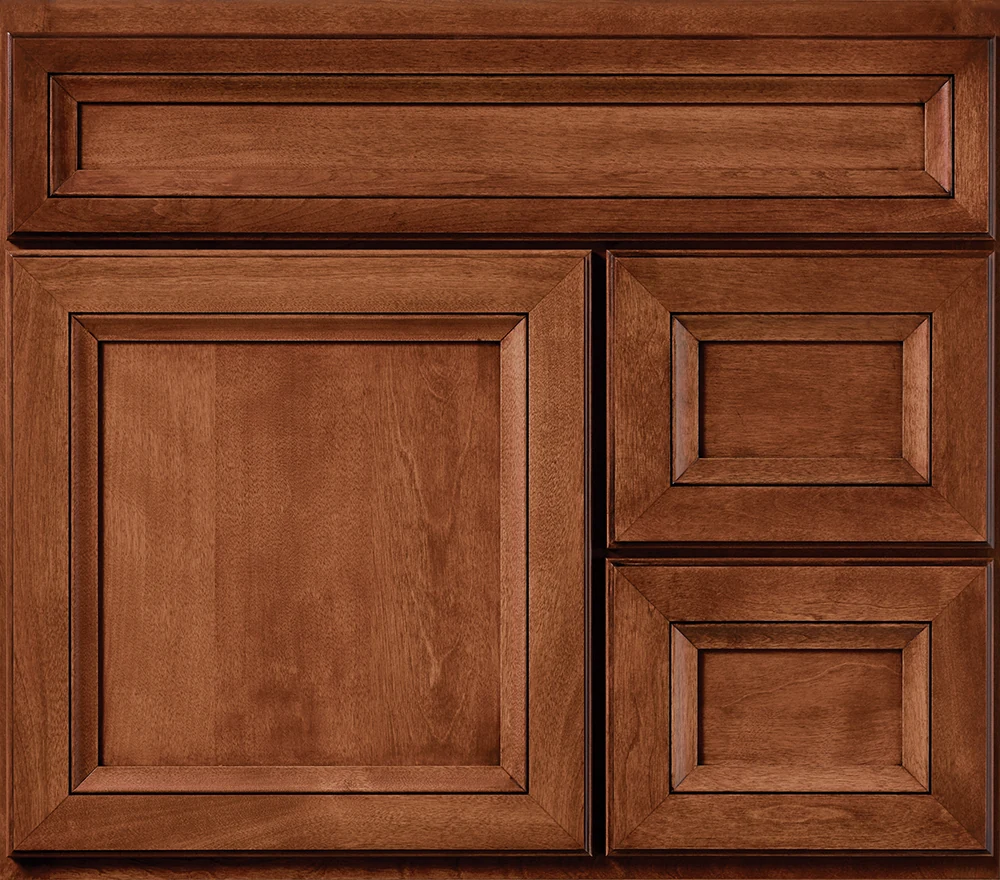
Kitchen cabinets take more daily abuse than almost any other surface in your home – steam, grease, spills, fingerprints, and humidity all work against them over time. The good news is that a simple, consistent cleaning routine is enough to keep most cabinets looking new for decades. This guide covers what to use, what to avoid, how to handle grease buildup, and how to care for different finish types.
The golden rules of cabinet cleaning
Before getting into specifics, a few principles apply to every cabinet finish – whether you have painted, stained, wood veneer, or contemporary material cabinets:
- Always blot, never scrub. When the surface is wet, blot with a soft cloth rather than wiping. Wiping can spread the moisture and push it into seams. Scrubbing can dull or scratch even hard paint finishes.
- Apply cleaner to the cloth, not the cabinet. Never spray cleaning products directly onto cabinet surfaces. The overspray gets into hinges, seams, and wood grain. Apply product to a soft microfiber cloth first, then wipe.
- Dry immediately. Excess moisture left on wood or painted surfaces will eventually penetrate the finish and cause swelling, cracking, or discoloration. After any wet cleaning, follow up immediately with a dry cloth.
- Use mild cleaners only. Most cabinet finishes are damaged by harsh chemicals long before you notice it. A drop or two of dish soap in water handles the vast majority of situations. Stick to gentle options – the finish will last longer.
- Wring your cloth thoroughly. The cloth should be barely damp, not wet. Excess water introduced at seams and joints is one of the leading causes of long-term cabinet damage.
Quick Test
Before using any new cleaning product, test it on an inconspicuous area – the inside of a door or the back of a cabinet – and wait 24 hours. If the finish looks unchanged, you are safe to use it on visible surfaces.
The three-step cleaning routine
This is the process Durasupreme recommends for their cabinets – and it works equally well for any quality wood or painted finish:
- Start dry. After installation – or anytime you notice construction dust – use a clean, soft, lint-free cloth to remove dust first. Never use a dry paper towel or abrasive cloth, which can leave micro-scratches in the finish.
- Clean damp. Lightly dampen a microfiber cloth with water – that alone handles most everyday cleaning. If needed, add a drop or two of mild dish soap (such as Dawn) to the water. Apply the solution to the cloth, wring it out thoroughly, then wipe. For dried-on spills, hold the damp cloth over the spot for a moment to soften it before wiping – never scrape.
- Dry immediately. Follow up right away with a second clean, dry cloth. Do not let moisture sit on the surface.
What to use for regular cleaning
For everyday cleaning, you do not need specialty products. These are the safest and most effective options:
- Warm water and a few drops of dish soap. This handles the vast majority of cabinet cleaning. Dampen a microfiber cloth, wring it out well so it is barely damp, and wipe the surface. Follow immediately with a dry cloth.
- Non-silicone furniture polish (optional). Polishing your cabinets is not necessary, but if you choose to, use a non-silicone formula such as Guardsman Furniture Polish applied with a soft cloth, wiping with the grain. Silicone-based polishes build up a film over time and can harm the finish.
- Murphy Oil Soap or similar wood-safe cleaner. Works well on stained natural wood cabinets. Dilute per label directions and always dry afterward.
- Microfiber cloths. Softer than paper towels and less likely to leave lint or scratch the finish. Keep a dedicated set for the kitchen – do not reuse cloths that have been used for other household cleaning, as they can carry grease or residue from other products.
What to avoid entirely
These are the products and habits that cause the most cabinet damage:
Never Use on Cabinets
Bleach or ammonia-based cleaners (most glass cleaners), abrasive scrubbers, sponges, or steel wool, magic erasers on painted surfaces, all-purpose sprays applied directly to the door, wax polishes, and silicone-based sprays. Dishrags or sponges used for other household cleaning can also carry grease and chemical residue that damages cabinet finishes.
- Abrasive pads and magic erasers: They feel soft but work by micro-abrasion. On painted cabinets, they strip the sheen from the finish and create visible dull patches over time.
- Bleach and ammonia-based cleaners: These dull and dry out wood finishes and can permanently discolor painted surfaces. Most glass cleaners contain ammonia – keep them away from cabinet faces.
- Wax and silicone polishes: Wax builds up a film that is difficult to remove. Silicone-based products can penetrate and compromise the finish, making future repairs harder.
- Dishwasher steam and heat: If your dishwasher is adjacent to a cabinet, ensure the door seal is intact. Consider adding a side panel to protect the neighboring cabinet from steam exhaust.
- Leaving spills to sit: Even plain water will damage a wood finish if pooled long enough. A spill that puddles for an extended period can cause wood to expand and weaken joints and seams. Address spills immediately.
Cleaning by finish type
Different cabinet finishes have different tolerances. Here is how to approach each:
| Finish type | Best approach | Key caution |
|---|---|---|
| Painted (MDF or wood) | Damp microfiber with mild dish soap. Dry immediately. For scuffs, try a tiny amount of diluted dish soap on a soft cloth – never abrasive pads. | Avoid magic erasers and ammonia cleaners. Painted surfaces are more vulnerable to scratching than stained ones. |
| Stained natural wood | Damp cloth with wood-safe soap (Murphy Oil Soap works well). Wipe with the grain. Dry thoroughly after. Optional: non-silicone furniture polish like Guardsman, applied with the grain. | Avoid soaking the wood. Standing water will raise the grain and eventually crack the finish. |
| Wood veneer | Same as stained wood – gentle, with the grain, dry immediately. Veneer is thin and can delaminate with excess moisture. | Never use a steam cleaner near veneer panels. The heat and moisture will cause bubbling and peeling. |
| High-gloss acrylic / lacquered | Dry microfiber for fingerprints and light dust. For smudges, use a barely damp cloth and buff dry immediately. | High-gloss shows scratches easily. Even soft cloths should be used with light pressure. Laser edgebanding on Durasupreme acrylics is durable but avoid impact at edges. |
| Matte foil / TFL | Soft damp cloth – matte surfaces have anti-fingerprint characteristics but still benefit from regular wiping. Dry promptly. | Avoid abrasive pads even though the surface feels durable. Scratches show on matte finishes just as on paint. |
| Thermofoil / laminate | Mild soap and water works well. More moisture-tolerant than natural wood but still requires drying. WilsonArt® and similar laminates are quite durable. | Avoid heat sources near thermofoil – hair dryers, heat guns, and oven proximity can cause the foil to peel at edges. |
Dealing with grease buildup
Grease is the hardest thing to manage on kitchen cabinets, especially on doors near the stove or range hood. Over time, airborne grease and cooking residue builds up into a sticky film that attracts dust and is difficult to remove with plain soap and water.
- For light grease: A diluted dish soap solution applied with a microfiber cloth will handle most of it. Dawn or similar degreasing dish soap is particularly effective.
- For heavier buildup: A paste of baking soda and water, applied gently with a soft cloth, can lift stubborn grease from painted and stained surfaces. Apply, let sit 2–3 minutes, wipe clean, then dry. Test on a hidden area first.
- Prevention is easier than removal: Wipe cabinets near the stove with a damp cloth weekly. Thirty seconds after cooking keeps buildup from ever forming.
- Use your range hood. A properly functioning range hood significantly reduces the amount of airborne grease that reaches your cabinet surfaces. If your hood vents to recirculation, replace the filter regularly.
Austin Humidity Note
Central Texas humidity fluctuates significantly between seasons. During humid summers, wood cabinets can absorb moisture and swell slightly. During dry winters with indoor heating, they can contract. Extremes in temperature and humidity can damage the finish and cause swelling at joints. Keeping your home between 35–55% relative humidity minimizes wood movement and extends the life of your finish. Always use your kitchen and bathroom exhaust fans – especially in bathrooms where steam from showers can fog up the space and accelerate moisture damage to cabinet joints.
Hardware maintenance
Pulls, knobs, and hinges all need occasional attention. For Fabuwood cabinets with BLUM hardware, the hinges are clip-on with 6-way adjustment – they rarely need maintenance, but here is the general approach:
- Hinges: Wipe with a damp cloth. If a door is sagging or rubbing, BLUM hinges can be adjusted with a screwdriver – no tools needed beyond a Phillips head. Do not spray lubricant directly onto concealed hinges as it attracts dust.
- Drawer slides: Soft-close undermount slides (like BLUM’s) are nearly maintenance-free. If a drawer starts running slowly, check for debris in the track. A dry silicone spray lubricant (not WD-40, which leaves a residue) can help if the slide starts to drag.
- Pulls and knobs: Clean with the same mild soap and water used for cabinet faces. For fingerprint-prone finishes like brushed nickel or matte black, a dry microfiber cloth is often enough for daily maintenance.
Interior cabinet care and organization
The inside of your cabinets matters too – not just for cleanliness but for protecting the items stored inside:
- Keep food tightly sealed. Loose packaging attracts insects. Use airtight containers for dry goods and regularly check for expired or open items. Pest activity can damage cabinet interiors quickly.
- Line your shelves. Shelf liners protect the interior finish from scratches, moisture from containers, and staining from spills. They are easy to wipe clean or replace.
- Use organizers. Spice racks, pull-out trays, modular containers, and drawer dividers reduce the friction of daily use – and reduce the chance of items falling, scratching, or spilling against the interior walls. Less wear on the inside means the cabinet lasts longer overall.
- Clean the interior quarterly. Remove everything, wipe down the shelves with a barely damp cloth, and dry before restocking. This is also a good time to check the shelf pins and make sure they are seated properly.
Long-term maintenance tips
Good cabinets – semi-custom like Fabuwood or full custom like Durasupreme – are built to last 20 to 30 years with proper care. A few habits make a meaningful difference over that timeframe:
- Do not over-tighten hinges and hardware. Over-tightened screws strip the wood and eventually cause hardware to fail. Snug is enough.
- Address finish chips early. Small chips in painted cabinets can usually be touched up with matching paint from the manufacturer. Left alone, chips expand as moisture gets under the finish.
- Keep appliances away from the finish. Toasters, coffee makers, and other heat-generating appliances placed directly against a cabinet door will discolor and dry out the finish over time. Leave a few inches of space.
- Check under the sink regularly. The cabinet under the sink is the most vulnerable to water damage. Check the plumbing connections and look for moisture stains every few months. A slow leak caught early costs almost nothing to fix.
- Avoid hanging wet towels or cloths on cabinet doors. The sustained moisture contact will eventually cause the finish to blister or peel, especially on painted MDF doors.
Warranty Reminder
Both Fabuwood and Durasupreme back their cabinetry with a limited lifetime warranty covering defects in materials and workmanship under normal residential use. Damage from improper cleaning products, excessive moisture, or improper installation is not covered by either manufacturer. Following the care guidelines above – mild cleaners, prompt drying, no abrasives – keeps your warranty valid and your cabinets in claim-free condition for the long term.
Cleaning frequency at a glance
| How often | What to do |
|---|---|
| Daily | Wipe splashes and fingerprints with a dry or barely damp microfiber cloth. Dry immediately. |
| Weekly | Wipe all cabinet faces with mild soap solution and dry cloth. Pay extra attention to doors near the stove. |
| Monthly | Clean hardware with damp cloth. Check hinges and drawer slides for smooth operation. Wipe inside of cabinet doors. |
| Quarterly | Deep clean cabinet interiors. Remove shelf liners and wash. Check under-sink plumbing for moisture. |
| Annually | Inspect finish for chips or wear. Address small touch-ups before they become larger issues. Check all hinge and drawer slide adjustments. |